The Part of Your Roof Nobody Thinks About (Until It Costs Them)
Ask most homeowners what protects their roof and they’ll say shingles, maybe flashing. Almost nobody says ventilation — and yet poor airflow is one of the quietest ways a roof ages before its time. It doesn’t announce itself with a leak. It just slowly shortens the life of everything up there. Here’s why it deserves more attention than it gets.
What Ventilation Is Actually Doing Up There
A properly ventilated roof has air moving continuously — coming in through intake vents near the eaves or soffits, and going out through exhaust vents near the ridge. That constant movement keeps your attic’s temperature and moisture in check, all year round, without you ever thinking about it.
In Hot Weather
Without enough airflow, heat just sits in the attic. That trapped heat cooks your shingles from underneath, aging them faster than sun exposure alone would, and it drives your cooling costs up in the process.
In Cold or Wet Weather
This is where it really matters for storm-heavy climates. Moisture from everyday life — cooking, showers, laundry — rises into the attic and, without proper ventilation, has nowhere to go. Over time that turns into mold, mildew, and wood rot in the deck and rafters. In colder regions, it also contributes to ice dams, which force melting snow back up under your shingles.
How to Tell If Yours Is a Problem
An attic that feels like an oven in summer, mold or mildew on the underside of the roof deck, ice dams along the edge in winter, energy bills that don’t quite make sense, or a musty smell on the top floor — any of these point to ventilation that isn’t doing its job.
The Different Types of Vents (Quick Rundown)
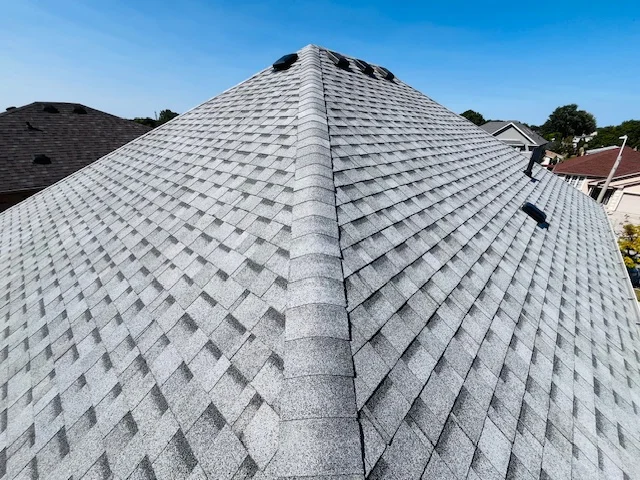
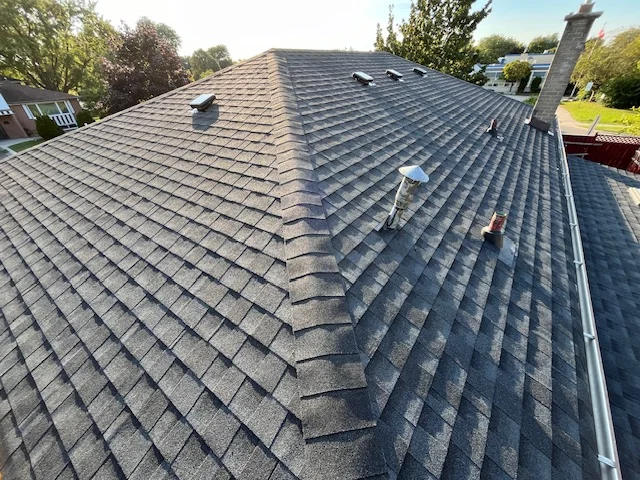
Ridge vents sit along the roof’s peak, letting hot air escape continuously. Soffit vents, under the eaves, pull fresh air in. Gable vents, on the ends of the attic, add extra airflow. Turbine vents use wind power to actively pull hot air out.
Why This Isn’t a DIY Guessing Game
It’s not just about having vents — it’s about the right balance between intake and exhaust for your attic’s specific size. Too much of one without enough of the other and the whole system underperforms. This is genuinely one of those things worth having a professional calculate rather than eyeballing.
The Real Cost of Ignoring It
Ventilation problems are invisible until they’re not — and by the time they show up as mold or premature shingle failure, you’re looking at a repair that started as something completely preventable.
Wondering if your attic is actually breathing right? We’ll check it as part of any inspection — call to get it looked at.
Le Ciel Roofers provides professional roof repair, roof replacement, shingle roofing, flat roofing , emergency roofing services across the Brampton and the GTA.




Le Ciel Roofers