If you’ve lived through a few winters in Brampton or Milton, you already know what our roofs are up against. It’s not just the cold — it’s the whiplash. One week it’s -15°C with a foot of snow sitting on the roofline, the next it’s a random January thaw with rain, then it freezes solid again overnight. That freeze-thaw cycle is brutal on roofing materials, and honestly, it’s the reason so many “just fine last year” roofs suddenly start leaking every March.
So if you’re planning a roof replacement, or even just wondering whether your current roof is up to the job, material choice matters a lot more here than it does somewhere with a milder climate. Let’s go through what actually holds up.
Asphalt Shingles — Still the Reliable Workhorse
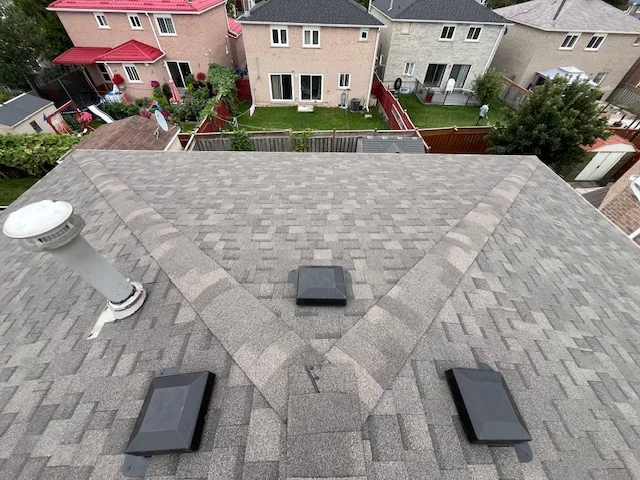
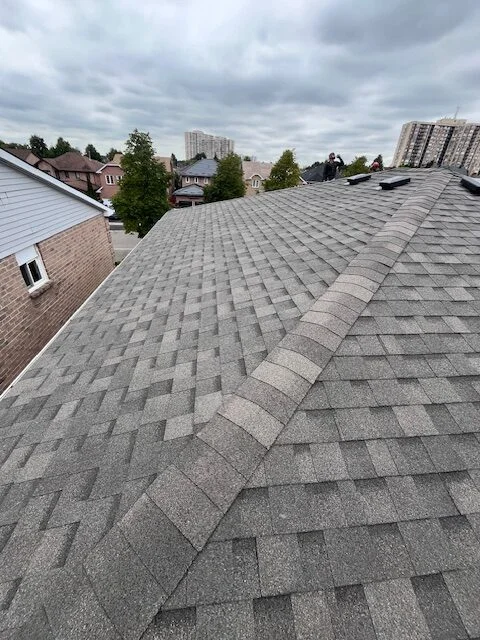
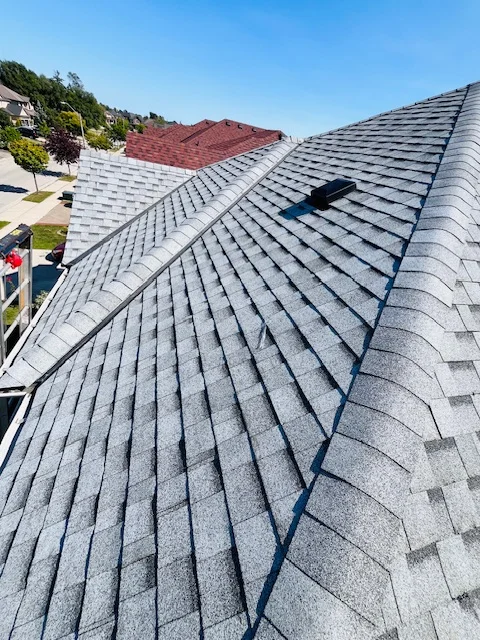
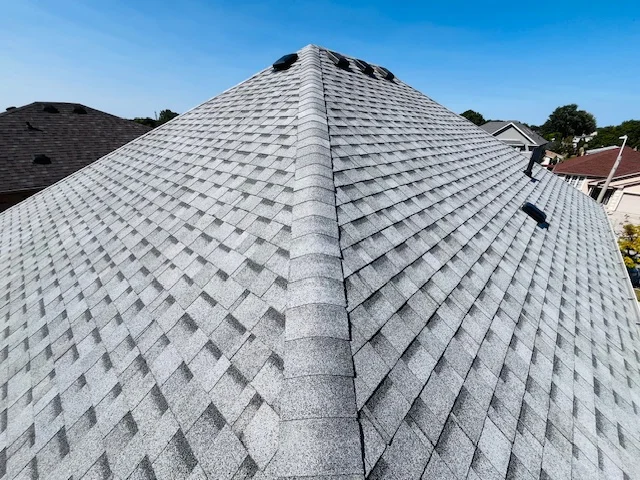
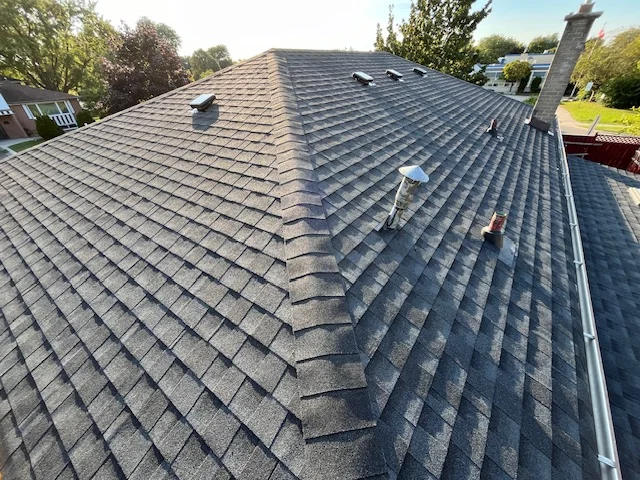
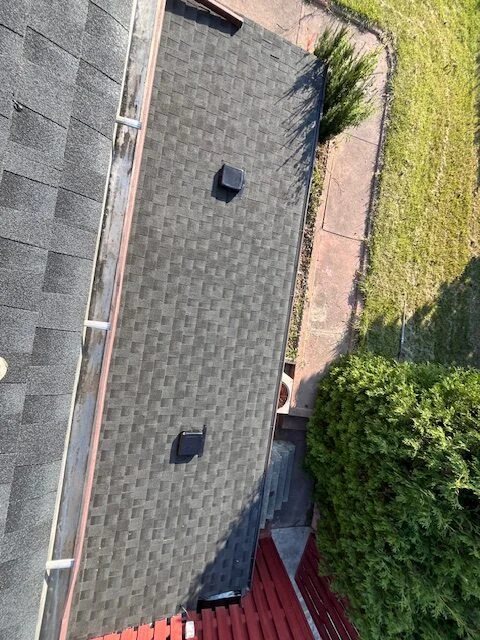
Asphalt shingles remain the most common choice across Ontario, and for good reason: they’re affordable, they perform reasonably well in the cold, and most roofing repair in Brampton actually involves patching or replacing asphalt shingles rather than starting from scratch.
The catch is quality. Not all asphalt shingles are built the same, and cheaper three-tab shingles tend to crack in extreme cold far more than a good architectural shingle rated for northern climates. If you’re going this route, it’s worth spending a bit more upfront on shingles rated for temperature swings — it saves you from replacing sections after just a few winters.
Metal Roofing — Built for the Long Haul
Metal roofing has been getting a lot more popular around here, and once you understand why, it makes sense. Snow slides off metal roofs instead of sitting there melting and refreezing, which cuts down on ice dam problems significantly. It also doesn’t crack in extreme cold the way some other materials can, and it typically lasts 40-plus years with minimal maintenance.
The upfront cost is higher than asphalt, no question. But if you’re planning to stay in your home long-term, the reduced maintenance and lifespan often make it the more economical choice over time. It’s one of the materials we get asked about most from homeowners looking to stop dealing with recurring winter roof issues.
Cedar Shakes — Beautiful, But Needs Commitment
Cedar shakes give a home a distinctive, warm look that a lot of people love, and they actually insulate reasonably well. But they need more upkeep in our climate than most homeowners expect — moisture, snow load, and freeze-thaw cycles can cause splitting and warping if the wood isn’t properly treated and maintained.
If you’re drawn to the look, it’s not a bad option, just go in knowing it’s a higher-maintenance one. Regular inspections matter more here than with most other materials, especially heading into and coming out of winter.
Rubber and Synthetic Roofing — The Underrated Option
Synthetic roofing materials, including rubber shingles and composite products designed to mimic slate or wood, have quietly become a smart option for Ontario winters. They flex rather than crack in extreme cold, they resist moisture well, and a lot of them come with strong warranties precisely because manufacturers know what a Canadian winter puts them through.
They’re not as commonly requested as asphalt or metal, but for homeowners who want durability without the higher cost of metal, it’s worth a look.
What Actually Matters Most: Proper Installation
Here’s something that doesn’t get said enough — the material only does half the job. We’ve seen plenty of “premium” roofs fail early simply because of poor ventilation or improper installation, and we’ve seen basic asphalt shingles hold up beautifully for two decades because they were installed correctly with proper ice-and-water shield underneath.
Ice damming, in particular, is a Brampton and Milton winter classic. It happens when heat escaping from the attic melts snow on the upper roof, the water runs down and refreezes at the colder eaves, and eventually that trapped water works its way under the shingles. No material fully prevents this on its own — it comes down to proper attic ventilation, insulation, and flashing details done right the first time.
Choosing What’s Right for Your Home
There’s no single “best” material for every home — it really depends on your budget, how long you’re planning to stay in the house, and what your roof structure can support. What we always tell homeowners is this: talk to someone who actually works on roofs in this climate, not just a general contractor, because the freeze-thaw cycle here is genuinely harder on roofing than most of the country deals with.
Le Ciel Roofers Inc. has spent years as roofing contractors in Milton and the surrounding area, and we’ve seen firsthand which materials and installation methods actually hold up through an Ontario winter — and which ones don’t. If you’re weighing your options for a new roof or dealing with recurring winter damage, reach out for an honest assessment before you commit to a material.




Le Ciel Roofers